UKILI – Preserving Artisan Traditions in Tanzania
Today we’re interviewing someone who is helping to preserve artisan traditions in the east African country of Tanzania. In a world of mass-produced replicas, how can we protect the “living libraries” – the artisans who are preserving the knowledge of generations? Keep reading to find out how UKILI is aiming to do this.

Q: Can you please introduce yourself and also talk about your mission with UKILI. What made you want to start UKILI?
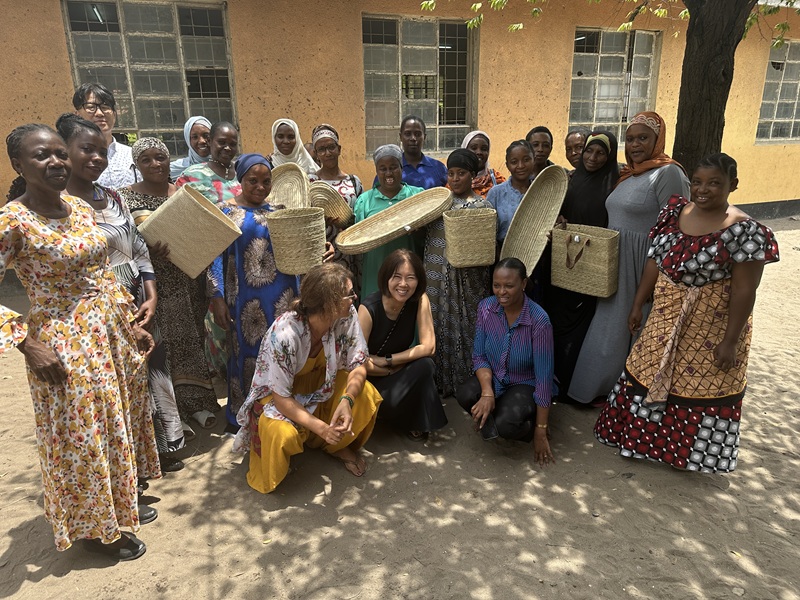
I’m Helen Han Park, founder of UKILI, a brand built around beautifully handmade home goods and a mission that is deeply personal to our family. Our connection to Tanzania spans generations. It began with my mother, who spent time there as a missionary, continued with my husband through his business work in the country, and eventually became part of our own family story when we had the opportunity to live in Tanzania with our children for a period of time.
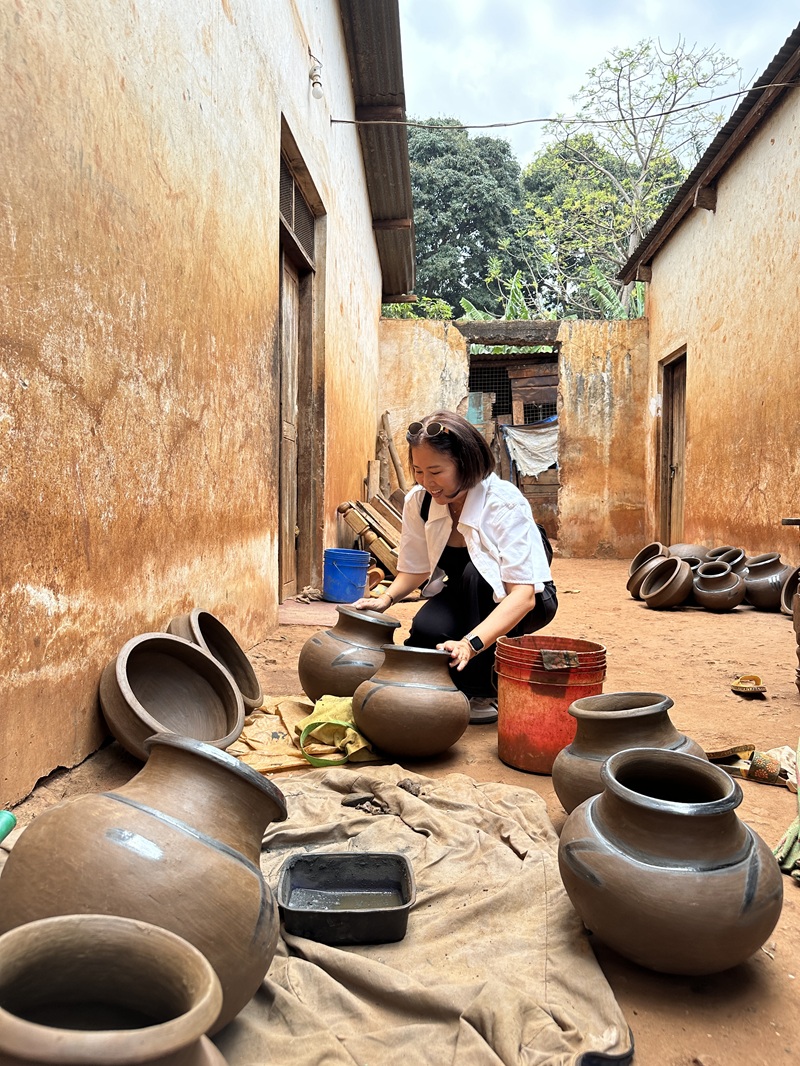
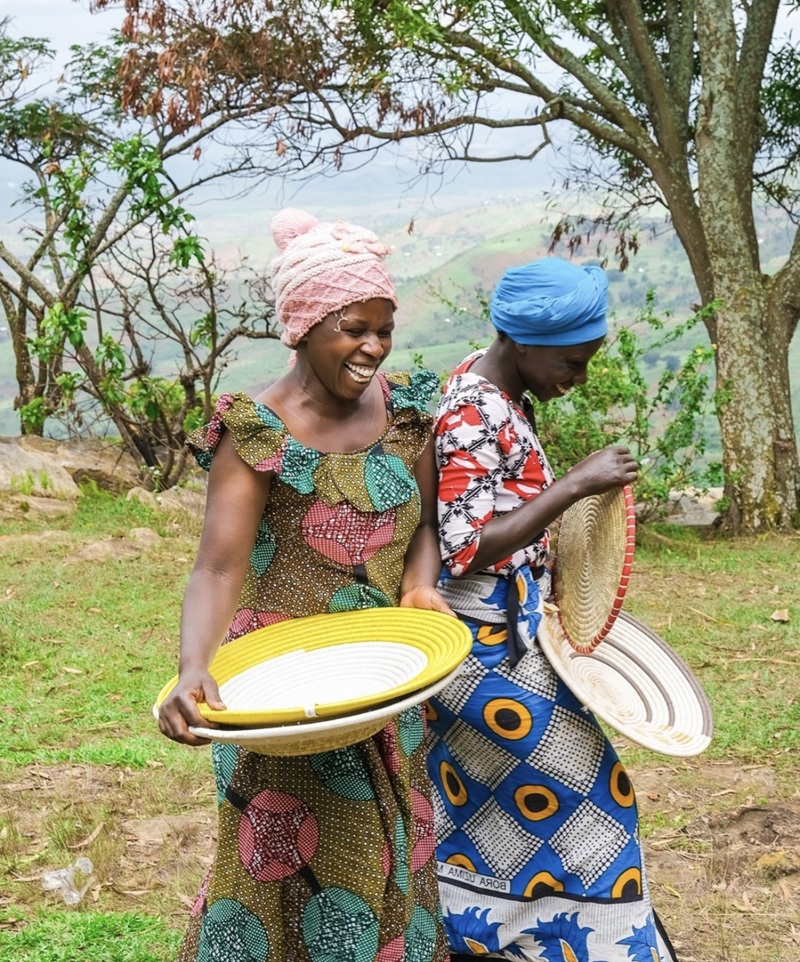
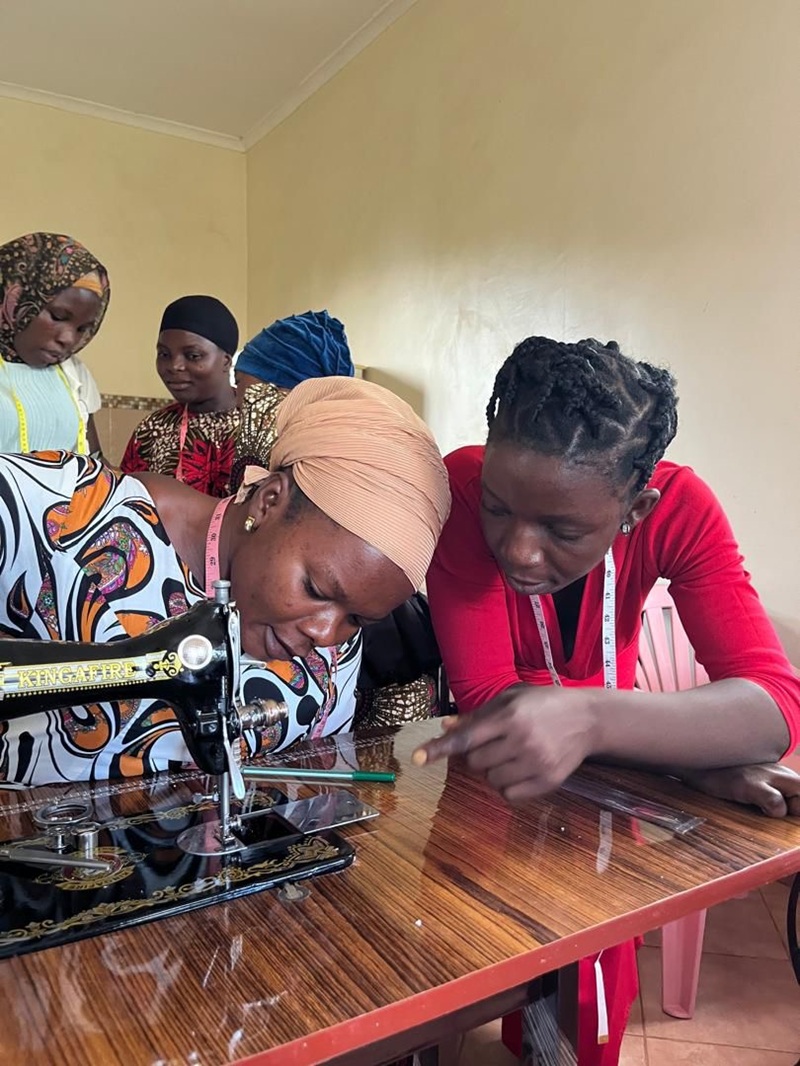
Living there gave us a close view of both the incredible beauty of the culture and the remarkable skill of the women artisans we met. I was continually inspired by the way artistry, tradition, and resilience were woven into everyday life. At the same time, I saw how limited economic opportunities could be, especially for women in rural communities.
UKILI was born from the desire to connect these extraordinary handmade pieces with homes around the world, while creating sustainable and dignified income for the women who make them. I wanted every purchase to do double duty: bring beauty into someone’s home while also helping support a woman’s ability to provide for her family.
Q: What are your favorite things about working with artisan women in Tanzania? Why?
Without question, it’s the women themselves. Their creativity, warmth, humor, and strength are incredibly inspiring. There is so much joy in the process — from sitting together and talking through designs to seeing how each artisan brings her own touch to a piece.
I also love that every item carries a human story. No two pieces are exactly alike, and that’s what makes them special. You can feel the hands behind the work, the generations of skill passed down, and the pride in craftsmanship.
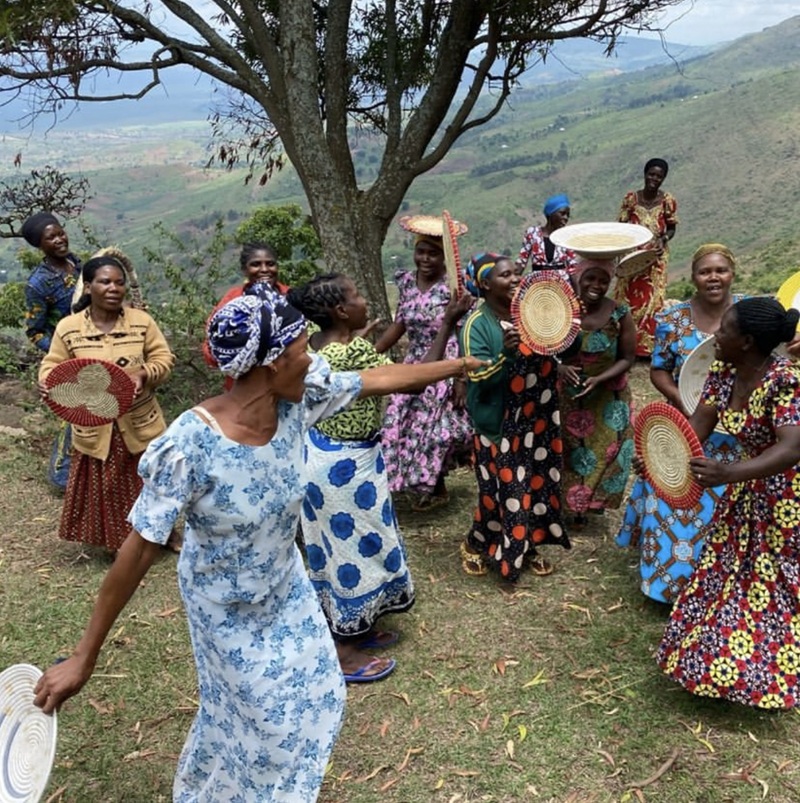
On a lighter note, some of my favorite moments are the conversations and laughter that happen while work is being done. There’s a wonderful sense of community that makes the process feel less like “production” and more like shared creation.
Q: What is one thing I absolutely have to do when I visit Zanzibar in Tanzania?
You absolutely must watch the sunset in Zanzibar — preferably with your feet in the sand and nowhere you need to be. The sunsets there are unforgettable. The sky turns every shade of gold, coral, and deep pink, and time somehow seems to slow down.
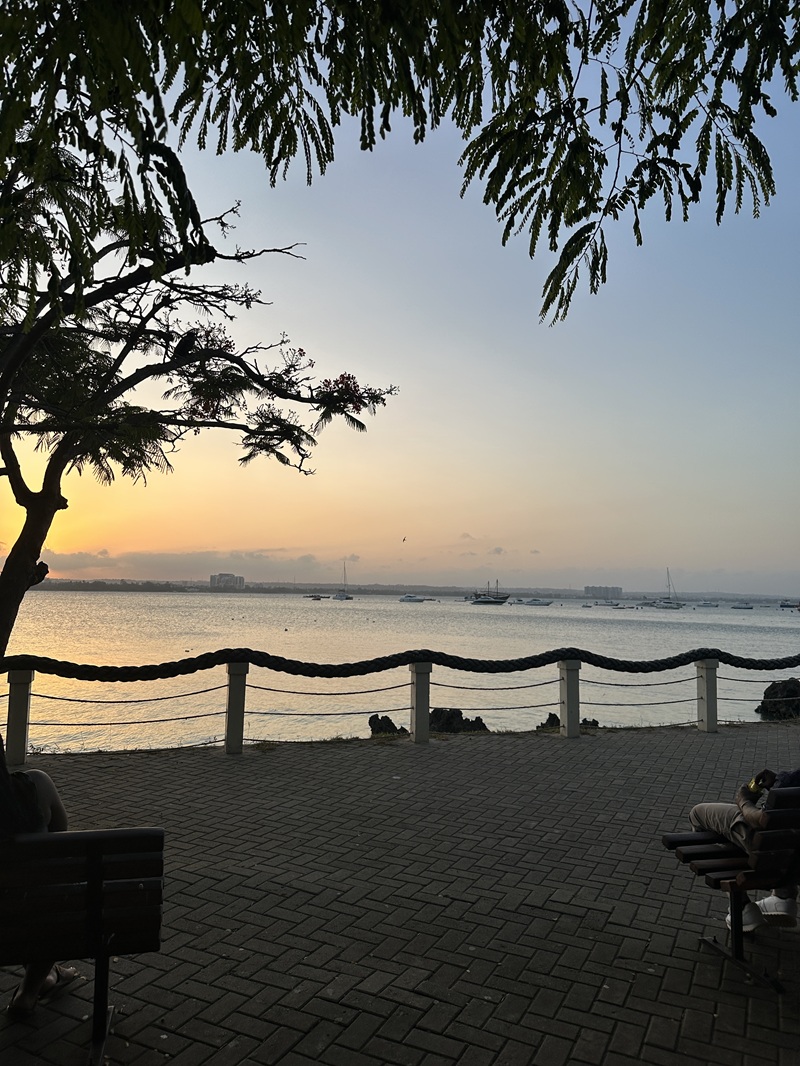
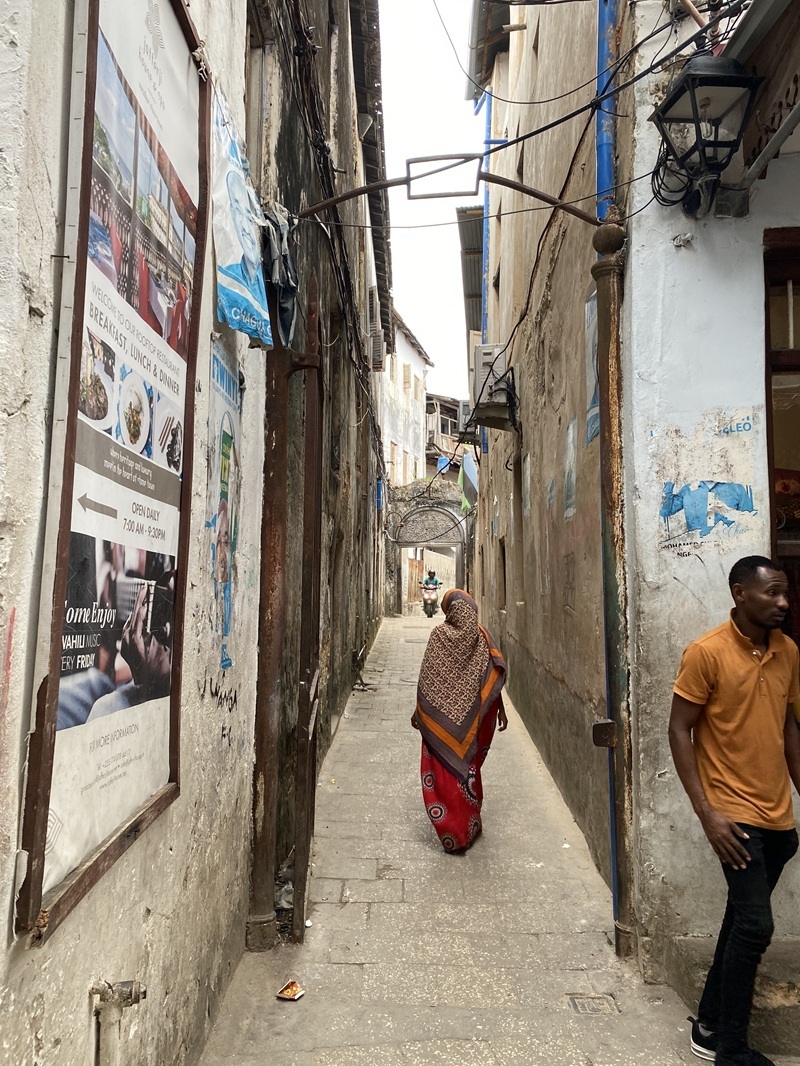
If I could sneak in one more thing, wander through Stone Town. It’s full of history, beautiful carved doors, winding streets, and the kind of little discoveries that make travel memorable. Zanzibar has a magic to it that stays with you.

Q: What is the hardest thing about starting a business like UKILI? How were you able to overcome this?
The hardest part has been balancing heart and practicality. When your mission is so personal, every decision carries weight — pricing, production timelines, growth, and how to scale without losing the integrity of the artisan relationship.
Building a business that is both impact-driven and sustainable requires patience. There were moments of uncertainty, especially in the early stages, where I had to learn how to trust the long-term vision rather than immediate results.
What helped me overcome this was staying close to the mission and to the women we work with. Whenever things felt difficult, I would return to the reason UKILI exists in the first place: supporting women and families through meaningful work. That clarity made the challenges easier to navigate.
Q: What advice would you give to others who want to create a business that supports artisan work?
Start with relationships, not products. The most meaningful artisan businesses are built on trust, respect, and genuine partnership. Take the time to understand the people, their craft, their traditions, and their needs.
I would also say: be patient. Building something ethically and thoughtfully takes time. Quick growth should never come at the expense of the people behind the work.
And finally, let the story remain human. People connect deeply when they understand the hands, heritage, and purpose behind what they are bringing into their homes.
Q: Is there anything else you would like to share about what you are doing with UKILI?
At its core, UKILI is about connection — connecting homes to handmade beauty, and connecting purchases to real impact.
I want people to know that when they bring a UKILI piece into their home, they are becoming part of a much bigger story: one of women supporting their families, preserving traditional craftsmanship, and creating opportunities where they are needed most.
For me, this work is deeply personal because Tanzania has been woven into our family story for so long. UKILI is, in many ways, an extension of that story — built with gratitude, purpose, and a lot of heart.
Learn more at UKILIDESIGN.COM.
All photos belong to Helen Han Park, unless otherwise noted.





Hi Kelcy,
Thank you for sharing. A nice article that features such creativity. Beautiful pieces made by a wonderful community of women.
Nice post, Kelcy
The beautiful handmade items and the love that comes with it…is inspiring.
I will put Tanzania on my visit list…one day.
Thanks again.
Jill, I’m glad you enjoyed the post. Yes, definitely put Tanzania on your list.
That was very beautiful and insightful into how different cultures can come together in such a creative way.
Anne,
I’m glad you enjoyed the post. And I couldn’t agree more. I love it when cultures come together to make magic.
Thank you for the beautiful feature and partnering with us in sharing our mission!
Helen, It was my pleasure.
Thank you for the kind words!!